


Side View Rotator Cuff

Healthy Rotator Cuff

Muscles of the Shoulder

Injured Rotator Cuff

Shoulder Injury

Injured Shoulder Posterior

Frozen Shoulder

BFST Shoulder Wrap

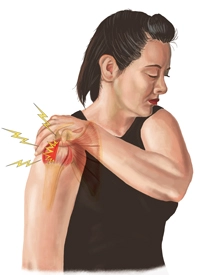
There's not doubt, taping a torn rotator cuff is an excellent idea. Selecting the right tape, though, makes a huge difference to the performance and to your health.
In a nut-shell, medical tapes, like KB Tape, are designed to be worn all day, every day.
They were designed with the expectation that people would use them non-stop for days on end.
Medical tapes are actually medical devices and are FDA regulated, and tested to be safe for extended exposure.
As such the materials they are made from are safe for this extended exposure.
Athletic tape on the other hand, like kt tape, is designed to be worn occasionally, and only for a couple hours at a time.
KT tape is a sporting good, not a medical device.
There is no regulatory control or testing of KT tape.
The materials and adhesives used in most athletic tapes like KT Tape and Rock Tape are not safe for sustained use.
Many chemicals in the adhesive, dyes and materials are toxic to the skin and some are carcinogenic with extended exposure.
If you are wearing tape, all day and every day, you need to pick a medical tape, not a kinesiology tape.
Medical grade tape may look the same as the athletic tapes, but in terms of safety the difference is huge.
For taping your rotator cuff, day-after-day, always choose medical grade tape, not athletic tape or kinesiology tape.
A shoulder is a large joint and it undergoes a great deal of strain. The difference between using 3" wide tape versus the regular 2" tape makes a huge difference in terms of the support you provide your injury. Always use wide tape on a rotator cuff injury if you want to get the best level of protection.
The internet is full of crazy ideas on how to tape your shoulder. The KT-Tape people and Rock-Tape people have some silly suggestions. The thing is, no two injuries are the same. Without a doubt though, for a rotator cuff tear, the right solution is 'X' marks the spot. Wherever the most painful part of your shoulder is, place one small strip centered over that spot going up and down the arm. Then take a second small strip and place it across the first one making an 'X' or 'T' on your shoulder. The two pieces should cross right over the painful spot. That is always the right way to tape a rotator cuff injury. Use wide, medical tape in an 'X' formation and you've done the best job.
When you Google a rotator cuff injury, the top bunch of results are all medical clinics, doctors, and hospitals.
They make money doing surgery whether you need it or not.
It's what they recommend.
Again, It's how they make money.
Occasionally surgery is necessary, but most often it is not.
Besides the mass recomendations for a surgical approach, there are countless other bad suggestions online on how to recover miraculously quickly.
Below you will find a long list of myths and things not to do when you injure your rotator cuff.
Through the related links in the bottom menu, you can find a lot of other valuable information.
Be informed.
Make wise choices.
You can recover from this injury, just watch out for the pitfalls.

Surgery is not actually required in order to heal most rotator cuff injuries.
As long as it isn't a full tear, injured tissue can be healed without surgery in the majority of cases.
Many 'Rotator Repair' surgeries are not really necessary.
If they are just going in to 'clean up the area', then think twice.
There's a lot to know before choosing surgery.
Check out our Rotator Cuff Information page for the full story.
Rotator Cuff surgery should be avoided as much as possible, and if you do go this route, pick your surgeon very carefully.
Definitely, get more than one opinion.
There are many risks and complications associated with surgery, including nerve damage, infection, tendon rupture, and more.
There is also no guarantee that it will get rid of the problem for good.
If you do undergo surgery, you can still use proactive treatment products beforehand to help prepare your body, and after the procedure to accelerate your recovery.
Always get a second opinion before signing up for shoulder surgery.

Cortisone injections are designed to temporarily relieve pain and swelling, however, they come with a variety of risks and side effects.
These include skin discoloration, allergic reaction, infection, and nerve damage.
They're also associated with tendon rupture.
Cortisone shots are not designed to heal the injury.
They simply mask the pain and can cause you to feel a false sense of ability, leading to a higher likelihood of re-injury.
If the cortisone shot is not administered properly, there's a chance that it won't have any effect.
Some people are also unable to metabolize cortisone, meaning it would not provide them with any relief.
Cortisone contributes to the thinning of tissue and an increase in the likelihood of a tendon rupture in your shoulder as a result!
Please visit our Cortisone Shots page for more information on the potential dangers of cortisone.

A TENS machine does not stimulate blood flow. TENS is an acronym that means Transcutaneous Electrical Nerve Stimulation. What a TENS machine is designed to do, is overstimulate the nerves to relieve pain - it deadens the nerves. While you want to reduce pain from your injury, using a TENS machine over an injury is highly not recommended.
Having your muscles pulse and flex uncontrolled will cause further tissue damage and slow down healing.
It is an important part of injury recovery, to feel the pain, and respect the pain.
Pain is going to tell you when you're potentially causing further damage.
TENS units are probably the most misrepresented, misused, and damaging products sold.
Never use TENS for anything other than to deaden nerves for conditions that cannot heal.
Using TENS on soft tissue injuries including shoulder issues is a recipe for disaster.
Never mask the pain heading into any activity.
TENS does NOT HEAL ANY INJURY.
Check out our Treatment of Rotator Cuff Injuries page for effective solutions.

The purpose of physiotherapy is to help with strengthening the muscles surrounding your injury once the healing process is underway.
Starting physiotherapy before your injury has had a chance to start healing and stabilize, will only cause further damage and more pain.
After being inactive for an extended period of time, you get muscle atrophy (weakened muscles).
As your injury heals, physiotherapy can be an excellent resource to help you rebuild that lost muscle.
Just remember, your physiotherapist cannot feel what you feel.
If you feel pain during physio or afterwards, advocate for yourself.
Physio should not hurt.
You need to work within your pain limits.
If an exercise hurts, you need to stop that exercise because you're not ready yet.
As you heal you will be able to do more, but do not push yourself because this will only cause re-injury.
This is true throughout your entire shoulder injury recovery.
Always respect the pain.
Check out our Rotator Cuff Information page for the full story.

Rest is very important when recovering from an injury.
Of course, too much rest can cause weak and stiff muscles, but resting when you can will help you avoid further injury.
While it is true that moving promotes blood flow, and in turn blood flow promotes healing, too much movement too soon in the healing process is a bad thing, as it only results in re-injury and a much longer recovery time.
Exercise and Stretches do nothing to help a Rotator Cuff injury itself.
Certain exercises and stretches may be beneficial to rebuild your muscles after you address the underlying injury.
But these should not be done until you are further along in the healing process.
If you are doing them too early you will know because your shoulder pain will start to grow again.
You need to accept that for a short while, reducing your activity is important to letting your shoulder get over the hump in terms of healing.
You cannot keep doing the same level of activity you were doing before becoming injured.
You need to let your shoulder rest.
If you are driving through the pain, you are just making your situation worse.
This can't be stressed enough about shoulder injuries because your initial injury has turned into a more significant injury.
Rest is critical. Give your shoulder a break.
You can gradually work your way back up to your regular activities, but this will take some time.

Painkillers should never be used during times of physical activity.
This is because painkillers completely block the pain signal, making you totally unaware that you're doing more damage to the injured area.
Painkillers mask the pain, tricking you into thinking you're better and able to push yourself physically, when this will only result in further injury.
Make sure you restrict painkillers to times when your body is at rest. An ideal time to take painkillers is before bed.
Using painkillers when you're active means risking complete rupture of your tissue, and this means surgery and an even longer recovery.
While painkillers are effective at relieving pain and inflammation, they are not designed to address the root cause.
In situations where the underlying injury is osteoarthritis or tendonitis, some meds can help if used at the right times.
For more information about which meds help and when, give us a call, our treatment advisors will give you some excellent free advice.
You need more than painkillers, though, if you really want to heal.

While using a heating pad on an injury can feel good due to the warmth, they do not provide any healing benefits. Many sites online are marketing heating pads in place of proper treatments like BFST®. The reality is that BFST® can heal soft tissue injuries, and heating pads can't. BFST® stimulates healthy blood flow in the area of your injury, deep below the skin. This increase in blood flow works to speed up the healing process. Heating pads can't do this. Heating pads simply bring blood to the surface of your skin, making it hot to the touch.
Unfortunately many people buying inexpensive Chinese heating pads from American companies, like you see all over the internet, end up getting burned, not healed.
There are thousands of complaints filed with FDA every year from people who get skin burns or burnt furniture and house fires from defective heating pads that were sold as solutions to their injuries.
And unfortunately, those only represent a small portion of the people actually getting hurt.
Get BFST® for healing.
BFST® technology far surpasses the heating pad in terms of therapeutic benefits.
BFST wraps are 100% safe and heavily vetted by over 300,000 users and several regulatory bodies including FDA.

Perhaps you noticed your shoulder pain for the first time when you were being active.
You can easily mistakenly think that activity is the reason for the pain.
But the reality is that most people who experience this condition have an injury that is the result of a sudden and traumatic activity.
Perhaps repetitive activity is preventing the healing, but it is unlikely why you are injured in the first place.
If you have a Rotator Cuff Tear, stop repetitive activity until the pain is gone.
But once the pain is gone, you can go back to normal life... slowly.
If your injury isn't getting better and you don't do repetitive activity, the issue might actually be isometric strain.
Isometric strain is a fancy term that means you held your shoulder under pressure for a long time in one position without moving it.
That leads to a cumulative strain situation and when you make the next significant motion, your shoulder can easily get torn further, setting back your healing.
That's the exact opposite of repetitive motion!
The pressure of the constant strain often damages shoulders but you don't realize it when it's happening.
That's a significant cause of rotator cuff reinjury.
Check out our Causes of Rotator Damage page for the full story.
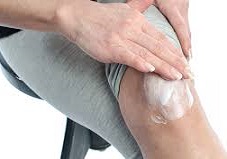
Yes, topical creams can help relieve arthritis pain.
This is not because they heal arthritis, but because they just numb your nerves in the area so you don't feel it as much.
If someone is recommending topical creams to treat your rotator injury then someone is more interested in making money than really helping you.
First, your rotator cuff is deep below many levels of tissue, and that area is sealed off from the rest of your shoulder.
Topical creams will never get to your torn rotator underneath all that other tissue.
Second, with a Rotator Cuff tear, you don't want to numb your nerves.
You may not enjoy the pain, but pain is your best guidance on what not to do.
If you need pain relief in the moment, use cold compression.
It works incredibly well.
But using a numbing cream means turning off your body's defense against reinjury for hours at a time and that's just a bad idea.
Getting past a torn rotator is hard enough, because it's so vulnerable to reinjury.
Yes, deal with pain in the moment with cold compression.
Don't turn off your body's defences with pain numbing creams.
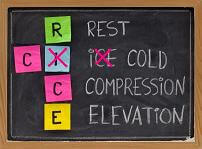
Most people think that RICE - Rest, Ice, Compression & Elevation - is the formula to follow when treating inflammation, swelling and pain.
The truth is that ice can actually freeze your skin and numb your nerves, causing 'cold burns' and even permanent damage to your underlying tissue.
Rest is absolutely a good thing.
The proper solution is RCCE® - Rest, Cold, Compression & Elevation.
For Rotator Cuff injuries, the compression should be gentle and constant for 20 to 30 minutes at a time.
Where ice is concerned, we don't want to apply ice - we want to apply cold that is just around freezing.
Yes, you want cold - and lots of it - but not so cold that it is below the freezing point of water.
ColdCure® technology was developed specifically to address the need for a cold compression device that does not freeze the skin and underlying tissue.
ColdCure® gel packs pose no threat of cold burns.
This makes them much safer to use than other products that use ice, which can cause the skin to freeze, leading to permanent damage.
ColdCure gel packs are completely safe to use for extended treatment durations, meaning faster relief of pain and swelling.
ColdCure® technology is a huge improvement on regular ice packs.

One of the biggest mistakes you can make during recovery is stopping treatment before your injury has finished healing. The healing process does not end once the pain stops. The healing process takes much longer than most people realize. (You can click here for the full story.) The key thing to remember is that long after the pain stops, your tissue is still healing. This means you need to continue doing BFST® treatments in order to complete the healing process. Doing regular BFST® treatments for several months after the pain is gone is extremely beneficial. Do a BFST® treatment prior to any physical activity to warm up your circulatory system and to help avoid re-injury.
Painkillers mask the pain, causing you to continue to stress and injure your shoulder.
This will only make your condition worse.
It is understandable that people need relief from the pain, so if you have to take painkillers, restrict them to times when you are off your feet.
You can use painkillers to help you sleep.
Using them when you are active is a recipe for permanent damage.
Your choice of pain killers is important.
You can give us a call to discuss which ones are best.
The ColdCure® Shoulder Wrap is designed to relieve the pain associated with Rotator Cuff injuries.
This safe and effective pain reliever is also great at bringing down swelling and inflammation.
The ColdCure® Shoulder Wrap is incredibly soothing and provides support and protection for your Rotator Cuff injury.
The painkilling element is incredibly powerful and it works instantly - there's no 20 minute wait like with pills.
There's no doubt about it, for healing most tissue injuries in the body, blood flow is the most critical element in rapid recovery.
The blood flow brings the building blocks for new cell growth.
It carries away the waste and damaged tissue.
It brings antibodies to protect against infection.
Your blood flow supplies the cells in your body with everything it needs and removes much of what needs to be taken away.
While your heart ensures a sufficient supply to your body as a whole, in the individual parts of your body there are a lot of factors that determine how much that area receives.
Motion in local tissue can play a significant factor in blood supply.
But when you are injured, that motion is less and so is that trigger to bring blood to the area.
People often don't understand that motion is enough and that doesn't mean putting a heavy load on your joint.
When you dangle your arm - not lift it - and swing it gently back and forth with limited range of motion, that's enough to stimulate circulation. Adding the weight of your body or doing stressful exercise doesn't improve the flow significantly more than unloaded motion.
The motion plus the added loads can end up resulting in reinjury.
Find light gentle motions that you can do with no pain at all and do those several times each day.
Just move the body part without any strain, you don't need to add more load.
Diathermy is a medical process to promote blood flow in tissue that is at rest.
Diathermy is a process by which energy is sent deep into the body to stimulate blood flow in tissue far below the skin.
An example of diathermy are the ultrasound treatments that people get when they go to physiotherapy.
The challenge with ultrasound is that all diathermic treatments are only effective for up to 4 hours.
But people go to the physio clinic once every couple of days, so they are only getting occasional treatments when their body needs several each day.
Also, ultrasound is an older, more risky process that can damage subdermal tissue, so it needs to be performed by a technician - you can't do it at home.
The good news is that you have an option to ultrasound.
BFST™ devices from King Brand are diathermic devices that people can buy to treat themselves at home.
With a home diathermic device, you can treat yourself multiple times each day and significantly improve your blood flow and the healing process.
And they're more powerful than ultrasound too.
And safer.
An Ultrasound device is very focused and the effective area can be less than 1 square inch in the underlying tissue.
That's why it needs to be constantly moved around, both to cover the whole injury and to prevent the tissue from burning.
BFST devices have massive coverage areas, treating up to 70 square inches without needing to move it around.
They are typically up to 10x more powerful than ultrasound too - and completely safe.
Blood Flow Stimulation Therapy™ (BFST®) gives your shoulder the blood flow it needs to heal quickly and completely. BFST® brings extra oxygen and nutrient-rich blood to the injured area - a requirement for the body to heal itself.
With a King Brand® BFST® shoulder Wrap, blood flow can be stimulated in the area of injury while you are at rest. With improved blood flow and without physical activity and the risk of re-injury, you can recover from your Rotator Cuff injury or surgery at a surprisingly rapid rate.

King Brand® soft tissue rehabilitation medical products are the #1 choice of top Athletic Therapists and Medical Practitioners worldwide. We provide guaranteed results and customer satisfaction. Like all King Brand® products, there simply isn't a better performing option. All King Brand® products come with a 100% satisfaction guarantee. Try our products and if you're not completely impressed, you can send them back for a full refund. We know you will love them though because hundreds of thousands of people already use them and rave about the results.

The King Brand® products shown are FDA Registered medical devices. That is not all. They have also been registered with Health Canada which means they received twice as much review.

FDA and Health Canada Registration does not mean that we filled out a form to become Registered. Our medical claims are significant, and because of these claims the various agencies have looked deep into our technology.
We have submitted to FDA our proprietary research and technology to back up the claims that we make.
King Brand has participated in far more than a basic registration process. All the agencies have come to our facilities for week-long inspections to ensure that the end user is always receiving the safest, most effective medical devices we can offer. With two different countries of regulators this means our products have twice the oversight, ensuring exceptional quality and performance.

It is not required by the government agencies, but we are also ISO-13485 compliant and registered. This enforces medical standards that are established by the International Standards Organization for global manufacturers of medical devices. This means more on-site, week long, audits every year, ensuring our quality and products meet strict international standards.

Beyond what is required by any regulator, we use only the safest materials in our products. ISO-10993 regulation ensures that our products are made from higher quality materials than most baby products, including diapers. This is the highest bio-compatibility safety standard in the world. This is the highest hospital grade - think Intensive Care and Operating Rooms. Our materials go through ISO-10993 testing to ensure they are safe for you. No consumer products are produced to this high standard.

King Brand products are, in fact, hospital grade through and through. IEC-60601 is the International Standard for Medical Device safety from an electrical standpoint. In spite of the BFST® being an electrical device, BFST® can be used in hospital emergency rooms and operating rooms without affecting other equipment. You can use any medical device with a BFST® and neither device will know the other one is there. This is a very tough standard to meet, but we do it and you benefit.
King Brand products meet over 20 different safety and quality standards that are not required even for medical devices and FDA registration. If we think there is anything that can be done to make our products safer and more effective, we have done it. That is the approach to everything we do and that is why our company and products are so highly regarded.


